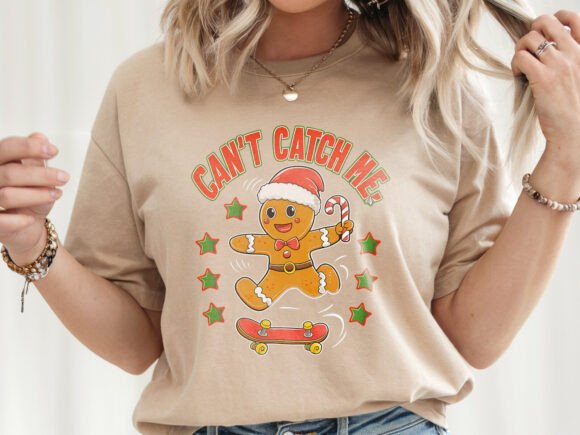
Retro Merry Christmas PNG Sublimation: A Design Review for Real Projects
As a designer and product reviewer with years of experience in the embroidery industry, I often find myself evaluating digital designs not just for their aesthetic appeal, but for how well they translate into real-world applications. The Retro Merry Christmas PNG Sublimation is one such design that caught my eye—not only for its nostalgic charm but also for its potential to elevate a wide range of handmade and commercial products. In this review, I’ll walk you through my practical considerations when using this graphics-based design in actual embroidery projects.
First Impressions: Nostalgia Meets Clarity
The moment I unzipped the file folder from Hello and Welcome to my Design Store, I was greeted by a crisp, high-quality retro-style "Merry Christmas" graphic. It’s clear this isn’t just another holiday design—it has a distinct visual personality. The layout is balanced, with bold lettering and subtle graphical elements like snowflakes or festive motifs that give it a vintage feel without being cluttered.
What stands out immediately is the attention to detail. The lines are clean, and the overall composition feels intentional. This makes it a strong candidate for holiday embroidery, especially if you're aiming for something that feels warm, classic, and slightly timeless. As an embroidery project starter, it sets a positive tone for what could be a versatile addition to your design library.
Real-World Application: What Works Well
I tested this design on a few different surfaces to see how it holds up. On a medium-weight cotton sweatshirt, the result was impressive. The retro theme blended seamlessly with the fabric texture, and the bold text ensured visibility even at a distance. For a sweatshirt embroidery project, this is a solid choice.
When applied to a tote bag made of woven polyester, the design retained its clarity and impact. The flat surface worked well for the shape and structure of the letters. It's easy to imagine this as a handmade product sold in a local craft boutique or featured on an Etsy listing—especially during the holiday season. The graphic gives off a cozy, celebratory vibe that customers can easily relate to.
Another use case I considered was baby apparel. While the phrase itself may not be ideal for infants, the design’s soft curves and non-aggressive stitch patterns make it suitable for holiday gift tags or decorative accents on baby hats and bibs. The key here is to adjust placement and scale appropriately, ensuring the design complements rather than overwhelms the item.
For commercial embroidery purposes, this design shows promise. Its clean lines and minimal complexity mean it stitches efficiently and consistently across multiple units. If you’re planning a small batch of personalized gifts or custom apparel for a seasonal pop-up shop, this could serve as a reliable digital embroidery file.
Where This Design Shines
- Tote bags — The flat, structured surface allows the design to lay smoothly and maintain clarity.
- Sweatshirts and t-shirts — Especially on light-colored fabrics where the retro motif stands out nicely.
- Nursery decor — The gentle style fits well with pastel tones and soft textures.
- Patch work — The design adapts well to smaller formats when scaled down carefully.
- Printable mockups — As a Graphics file, it works beautifully in digital previews for online listings.
Caution Zones: When to Proceed with Care
While the Retro Merry Christmas PNG Sublimation looks great in many scenarios, there are certain situations where it might not perform as expected. One thing I noticed early on is that the design relies on contrast and sharpness to convey its message clearly.
On dark fabric backgrounds, the design loses some of its impact unless thread colors are adjusted. Similarly, stitching on textured or stretchy fabrics can cause slight distortion, especially in the fine details around the edges of the letters. If you're working with materials like jersey knit or felt, consider testing the design first and possibly reinforcing areas with a running stitch or additional stabilizer.
Also, while the design doesn't look overly dense, it does feature some intricate corners and overlapping elements. These may require careful inspection when scaling down for small hoop sizes. Any reduction in size should be done gradually and with attention to stitch integrity.
Products that need frequent washing, like kitchen towels or aprons, should be approached with care. The design’s visual appeal depends on color retention and fabric stability. Using quality sublimation ink and durable stabilizers will help preserve the final look over time.
Key Considerations for Use
- Test on scrap fabric before committing to a full project.
- Check thread color contrast against your chosen fabric base.
- Review stitch density to avoid puckering or stretching issues.
- Confirm hoop size compatibility for the specific application.
- Inspect small details after stitching to ensure they remain legible and intact.
- Try black and white mockups to evaluate how the design translates in grayscale or monochrome settings.
- Compare results on both light and dark fabric to understand visibility differences.
- Use proper stabilizer for delicate or curved surfaces.
- Always check licensing terms before selling finished items or offering the design as a digital product.
Visual Appeal and Branding Impact
One of the most important factors for any embroidery designer or craft business owner is how the design enhances the visual appeal of the final product. The Retro Merry Christmas PNG Sublimation brings a sense of warmth and tradition that resonates well with audiences looking for sentimental, handcrafted goods.
In terms of customer trust, the clean presentation and professional look of the design suggest quality. Even though we don’t have exact stitch counts or machine compatibility details, the file format appears to be optimized for common embroidery machines. Just be sure to verify these specifics before launching into production or sharing the design publicly.
This design would fit naturally into a line of personalized gifts or holiday embroidery offerings. Its retro vibe adds a layer of authenticity that can help differentiate your handmade products from mass-produced alternatives. Whether you're an Etsy seller or part of a small shop product team, this kind of visual storytelling can boost buyer engagement and increase perceived value.
Handmade Presentation and Giftability
As someone who frequently creates handmade products for gifting and resale, I appreciate how this design contributes to a cohesive and polished look. When placed centrally on a pillow cover or subtly along the edge of a cap, it maintains a sense of elegance without overwhelming the piece.
Its brand consistency potential is also worth noting. If you're building a line of winter-themed merchandise or seasonal branding assets, this design can serve as a consistent visual element across multiple items. The retro aspect offers a nostalgic touch that can enhance recognition and customer loyalty.
Final Thoughts for Embroidery Designers and Makers
The Retro Merry Christmas PNG Sublimation is more than just a holiday graphic—it’s a thoughtful design that brings character to the right project. As a machine embroidery design, it performs well in controlled environments and scales reasonably for various uses. However, its success depends heavily on the context in which it’s applied.
From my perspective, it’s best suited for custom apparel, embroidered patches, and seasonal decorations where the design can be given enough space and fabric support to shine. Avoid using it on overly small or complex surfaces until you've had a chance to test and adapt.
Ultimately, the design’s strength lies in its simplicity and charm. It’s not flashy, but it carries a quiet confidence that makes it memorable. For those of us in the craft business, this is exactly the kind of asset that can elevate our work and connect with customers on a deeper level.
Before using this embroidery file in any real project, remember to confirm all technical specs and licensing agreements. Treat it like any other design asset—with respect and intention—and you'll likely find it rewarding in both personal and commercial settings.