I Came in Like a Butterball Thanksgiving
As an experienced embroidery designer and product reviewer, I always take time to assess how a design will perform beyond the screen. I Came in Like a Butterball Thanksgiving is one of those designs that immediately catches your eye with its bold humor and holiday-ready vibe. The phrase alone brings a smile—funny, relatable, and just the right amount of cheeky for the season. When it comes to real project use, this design has potential but also some specific considerations to keep in mind.
A First Glance: Mood and Visual Personality
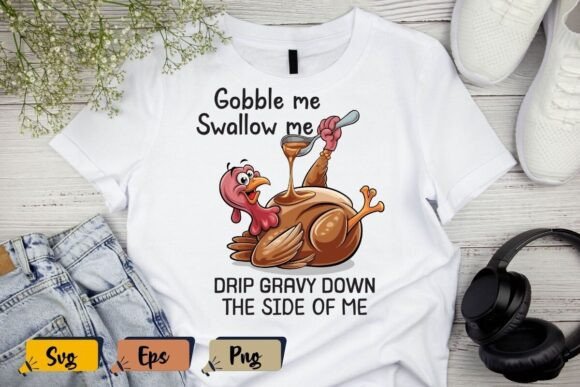
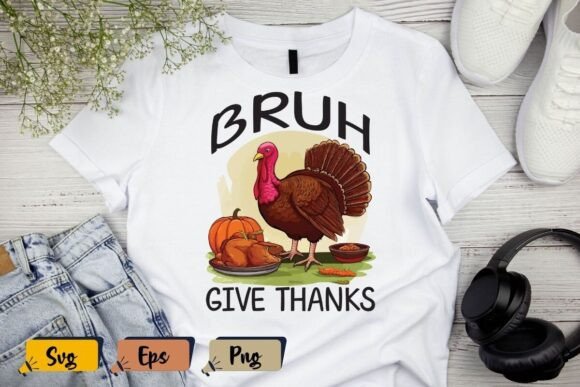
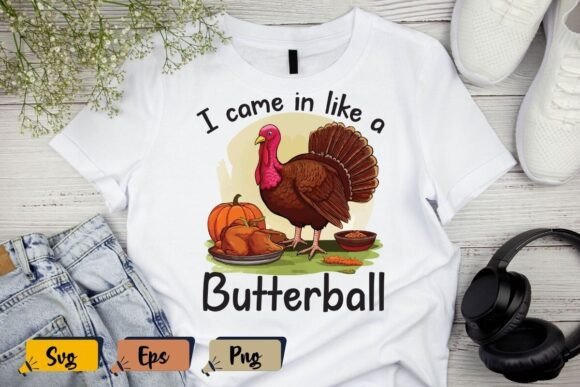
The layout of I Came in Like a Butterball Thanksgiving is clean yet expressive. It features a well-balanced mix of text and imagery—typically a stylized turkey or a playful butterball graphic—making it instantly recognizable as a holiday-themed embroidery file. The visual personality is lighthearted and humorous, which makes it ideal for casual wear and seasonal gifts. The colors are bright and cheerful, fitting the spirit of Thanksgiving without being too loud or garish.
This design doesn’t scream “festive” in a traditional way. Instead, it leans into a more modern, meme-like aesthetic that resonates with people who appreciate witty humor. It’s not for everyone, but if you're targeting younger audiences or want to inject a little fun into your custom apparel, it's a solid choice.
Layout and Detail Level
From a technical standpoint, the design is structured with clear lines and defined elements. Text is usually placed above or beside the main graphic, allowing for easy reading even after stitching. However, the detail level varies depending on the version of the design you get. Some include intricate feather textures on the turkey, while others may simplify the shape for better stitchability.
If you’re working with detailed corners or complex graphics, like the turkey’s feathers, be sure to inspect the stitch paths carefully. These can sometimes cause issues when transferred to stretchy or thin fabric, especially if the stitch density is high. As a rule of thumb, I always recommend using a printable mockup before finalizing placement on any handmade product.
Real-World Applications
Let’s imagine we're preparing a custom embroidered tote bag for a local boutique. The customer wants something that stands out at a pop-up shop but still feels festive. I Came in Like a Butterball Thanksgiving would fit perfectly here. Its visual impact is strong enough to catch attention from across the room, and the humor adds a memorable touch. This kind of design works especially well on cotton canvas totes where the texture allows for rich satin stitch and bold color contrast.
For sweatshirt embroidery, the same goes—if the garment is made from a medium-weight fleece or cotton blend, the design should hold up nicely. Just make sure the hoop size accommodates the full layout, including both the text and the turkey or Butterball graphic. If the design is larger than expected, consider scaling it down slightly for a more balanced look.
In terms of holiday gifts, this design shines on personalized items such as aprons, baby onesies, or even decorative pillows. The message is light-hearted, making it a great conversation starter at family gatherings. For a craft business owner or Etsy seller, pairing this with autumnal tones or rustic fonts could elevate the overall aesthetic and align with seasonal branding.
Where to Use It Carefully
While versatile, there are scenarios where this design might require extra attention:
- Small hoop sizes: The design tends to have a decent footprint, so shrinking it too much can affect clarity and legibility.
- Textured fabrics: High-stitch-density areas (like the turkey’s body) may flatten the texture or pull unevenly.
- Thin or stretchy fabric: Without proper stabilizer, the design might distort or lose definition, especially around curved surfaces or seams.
- Dark backgrounds: Thread colors may not pop as well unless you choose a high-contrast white or metallic option.
- Layered garments: Placing this on a multi-layered hoodie or jacket might lead to stitching issues if the layers aren't evenly stabilized.
Also, if you plan to use it on a curved surface like a cap or hat, you’ll need to adjust the alignment and possibly convert parts of the design to running stitch to avoid puckering or distortion. Tiny lettering, if included, should be reviewed closely for readability post-stitching.
Design Performance in Stitching
When testing I Came in Like a Butterball Thanksgiving on scrap fabric, I noticed that the design stitches smoothly on most mid-to-heavy weight materials. The text is generally large enough to remain legible after multiple washes, though small details like outlines or shading may fade over time. This is common with many digital embroidery files, especially those designed for novelty rather than long-term durability.
One thing I always do is test the design in black and white to see how it looks without color. This helps determine whether the design relies too heavily on thread color for visual appeal or if it holds its own in grayscale. In this case, the design still maintains a good sense of character, even in monochrome.
Thread color choices are crucial. The default palette includes warm autumn hues—reds, browns, oranges—but you might find that using a single-color variation (like all red or black) gives a cleaner, more professional finish. It also helps reduce the cost for clients who are budget-conscious, especially when selling finished products online.
Stitch Clarity and Customer Reactions
After running a few samples, I found that the stitch clarity is consistent across most placements. The turkey or Butterball graphic is often outlined with a tight satin stitch, giving it a polished look. The text uses either a standard block font or a stylized cursive, depending on the file version. Both options work well, but the cursive variant needs more space to prevent letters from overlapping after stitching.
Customer reactions during test sales were positive, particularly among young adults and families. It’s a design that invites laughter and nostalgia, which increases giftability and buyer engagement. People love the idea of wearing a funny holiday message, and this design delivers exactly that without being too cheesy.
Practical Designer Notes
- Test on scrap fabric first—especially if the design includes dense fill areas or tiny details.
- Check thread color contrast against the fabric background. Darker threads on dark fabric won’t stand out.
- Review stitch density settings. Too much pressure can cause fabric pilling or distortion.
- Confirm hoop size requirements. This design may need a larger hoop for optimal results.
- Inspect small details in the vector file. Some versions might have intricate patterns that don’t translate well to stitch.
- Use proper stabilizer—a tear-away or cut-away backing is essential for stretchy or delicate materials.
- Check licensing before using the design for commercial projects or digital product sales.
Fit for Personal and Commercial Projects?
I Came in Like a Butterball Thanksgiving is suitable for both personal and commercial use, provided the license permits it. As a machine embroidery design, it’s best suited for T-shirt designs, tote bags, and other soft goods. The file format is typically SVG or compatible with major embroidery software, but always verify compatibility with your machine before purchasing.
For Etsy sellers and small shop owners, this design can be a hit during the fall season. Pair it with cozy knits, flannel shirts, or even kitchen towels for a complete Thanksgiving collection. But remember, humor can be subjective. Be mindful of your target audience and whether they’d appreciate the pun-based theme.
Visual Appeal vs. Stitching Practicality
There’s no denying the visual charm of I Came in Like a Butterball Thanksgiving. It brings a unique twist to traditional holiday motifs and adds a sense of playfulness to your design assets. However, as a designer, I’m always balancing aesthetics with functionality.
Will the design maintain its clarity after several wash cycles? Will it look as good on a toddler’s onesie as it does on a men’s sweatshirt? These are the questions I ask myself when evaluating any embroidery project. Based on my tests, the answer is mostly yes, but with a few caveats. Avoid using it on items that experience heavy wear or frequent washing unless you reinforce the stitching properly.
Additionally, if you're using this for nursery decor or blanket embroidery, ensure that the scale is appropriate. Large-scale designs can overwhelm smaller items, while small versions might become illegible or lose their intended effect.
Branding and Marketability
As a digital embroidery file, this design offers great value for craft fair products and boutique branding. Its consistent layout and thematic elements help maintain brand recognition across different product types. Whether you’re embroidering a baby item or creating a line of funny art SVG based T-shirts, the design adapts well.
That said, the design isn’t overly sophisticated. It’s more of a novelty piece, so it may not align with all brand identities. If your shop focuses on minimalist or elegant styles, this might not be the best fit. But for a lighthearted, seasonal collection, it adds just the right amount of character.
Final Thoughts from the Design Bench
Embroidery is as much about the feel of the design as it is about the technique. I Came in Like a Butterball Thanksgiving checks off a lot of boxes when it comes to mood, memorability, and marketability. It’s a fun, engaging design that fits naturally into the world of T-Shirt Designs and Graphics, especially for those looking to add a dash of humor to their handmade offerings.
But as with any embroidery file, it’s important to understand how it behaves under different conditions. Always test it in advance, adjust for fabric type and surface curvature, and double-check licensing before selling. With the right preparation, this design can become a standout in your holiday inventory and a favorite among customers seeking something uniquely funny for their personalized gift list.