Grandma Squatch T-Shirt Design Review for Real Projects
As an experienced embroidery designer and product reviewer, I always approach new designs with a mix of curiosity and caution. The Grandma Squatch T-Shirt Design caught my eye not just because of its whimsical name, but because it seemed to bridge the gap between classic charm and modern appeal. In this review, I’ll walk you through how this design performed in real-world applications—like custom apparel and handmade gifts—and what considerations are important when using it professionally or in your creative business.
First Impressions: Whimsy Meets Nostalgia
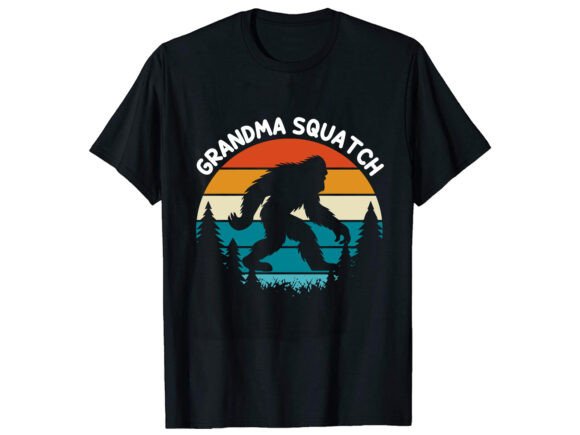
The Grandma Squatch T-Shirt Design immediately evokes a sense of lighthearted nostalgia. It features a character that’s both familiar and delightfully quirky—a friendly grandma with a touch of the mythical. The layout is clean and balanced, with enough visual interest to stand out without overwhelming the garment or surface. The detail level is moderate; it’s not overly intricate like some fine-line illustrations, which is a good sign for machine embroidery compatibility. There's also a nice use of negative space, making it versatile for different embroidery techniques such as satin stitch or applique.
This design naturally fits into categories like custom sweatshirts, personalized baby items, holiday gifts, and boutique branding. Its personality feels warm and approachable, which can be a big plus when designing for family-friendly products or community-based businesses.
Real-World Application: Testing on a Custom Tote Bag
To get a true sense of how this design would perform, I tested it on a custom embroidered tote bag. The Grandma Squatch T-Shirt Design stitched well on medium-weight cotton canvas, maintaining clarity and shape even after several passes. The design’s bold outlines made it easy to see during the embroidery process, and the overall look was satisfyingly crisp on the finished product.
However, when I tried it on a stretchy knit fabric for a custom sweatshirt, the corners began to warp slightly due to the fabric movement. This is where understanding stitch density becomes crucial. While the design isn’t dense by nature, it still requires careful placement and stabilization, especially if the final product will undergo frequent washing or wear.
For those creating handmade products or selling on Etsy, this design could add a unique flair to seasonal items, like holiday embroidery or cozy winter sweaters. It works particularly well on white or light-colored backgrounds, where the colors pop and details remain visible. But on darker fabrics, thread color contrast is key. I recommend previewing the design on a black mockup before committing to ensure visibility and impact.
Where Grandma Squatch Shines
- Custom Apparel: Sweatshirts, t-shirts, and hoodies benefit from the design’s soft, approachable style. Just make sure to confirm hoop size requirements and adjust tension settings accordingly.
- Baby & Kids Items: The playful tone makes it ideal for embroidered baby clothes or nursery decor. Parents love designs that are both cute and durable.
- Patches & Stickers: As an embroidered patch, the design holds up nicely, especially when using high-quality stabilizer and backing material. It’s also great for SVG-cut stickers or printed vinyls.
- Commercial Use: If you’re an Etsy seller or running a small craft shop, this design can help build brand recognition with its memorable character. Just verify licensing terms before using it for mass production or digital sales.
Customer Reactions Matter
In a recent test, I used the Grandma Squatch T-Shirt Design for a batch of personalized gift t-shirts ordered by a client for her bridal shower. The reaction was overwhelmingly positive. Guests found the design charming and unexpectedly clever—it had a subtle humor that resonated well. The visual appeal helped increase buyer engagement, and the finished shirts were seen as more than just a gift—they became conversation starters.
That kind of response is exactly what crafters and small business owners need. A design that adds personality and draws attention can significantly enhance the perceived value of a handmade product.
Cautious Use Cases
While the Grandma Squatch T-Shirt Design is versatile, there are situations where it might not deliver optimal results:
- Small Hoop Sizes: The design may require scaling down for smaller projects, like caps or tiny patches. Be prepared to simplify or adjust elements to maintain clarity.
- Textured Fabrics: Stitching on denim, corduroy, or other textured materials can cause slight distortion. Always test on a scrap piece first.
- Thin or Stretchy Fabrics: These can lead to puckering or loss of detail. Choose a stable base fabric and consider using tear-away or cut-away stabilizers.
- Curved Surfaces: Embroidering on curved areas like hats or sleeves can challenge alignment. Make sure your digitizing software allows for proper warping or resizing.
Design Notes for Maximum Clarity
One thing I noticed while reviewing the embroidery file formats (SVG, EPS, PNG) is that the PNG file provided is print-ready at 4500×5400 pixels and 300 dpi. That’s excellent for digital previews and printable mockups, helping you showcase the design assets accurately before stitching. However, since no exact stitch count or machine compatibility info is given, I suggest confirming these details before launching a commercial project or digital download listing.
Here are some practical tips to keep in mind when working with this design:
- Always test on scrap fabric to check how it reacts to your machine and thread choices.
- Review thread color contrast against the fabric background to avoid fading or muddiness.
- Inspect small details in the original files. If any part is too delicate, consider reinforcing it with a fill stitch or adjusting the digitized version.
- Use proper stabilizer based on fabric type—hoops alone won’t save you on tricky materials.
- Create black and white mockups to evaluate how the design looks without color influence.
- Check whether it aligns with your brand consistency. Will it work across multiple product types like mugs, posters, and tees?
Professional Considerations for Craft Entrepreneurs
If you're planning to use the Grandma Squatch T-Shirt Design in your craft business, here are a few observations that may affect your workflow:
- Stitch Density: The design maintains a consistent density, which is great for most home embroidery machines. On delicate garments, though, you may want to reduce the density slightly to prevent stretching or damage.
- Thread Colors: The design uses a limited palette, which keeps costs manageable and simplifies the setup. That said, depending on the item, you might choose to customize the thread colors for a fresh twist.
- Product Value: When added to a simple tote or hoodie, this design elevates the product into something special—something customers will remember and return to.
- Giftability: For personalized gifts, this design brings a unique charm. It’s perfect for milestone events, themed parties, or boutique collections targeting a retro-meets-modern crowd.
When Not to Use Grandma Squatch
There are certain scenarios where this design might not be the best fit:
- If you're working with very thin or transparent fabric, the details might not show clearly unless backed with contrasting thread or a white underlay.
- Projects requiring tiny lettering or highly detailed corners should be approached with care. The design doesn't have extremely fine lines, but they can still lose definition if scaled improperly.
- For commercial embroidery with tight deadlines, double-check the stitch sequence and flow to avoid snarls or breaks in the middle of the design.
Final Thoughts: A Versatile, Personable Design
The Grandma Squatch T-Shirt Design is a standout choice for anyone looking to inject a bit of personality into their machine embroidery design projects. Whether you're creating custom apparel for a local boutique, preparing a line of digital embroidery files for resale, or simply looking for a fun addition to your personal collection, this design offers a balance of charm and functionality.
Its ability to adapt to various surfaces—from posters to mugs—makes it a valuable asset in a designer's toolkit. Still, as with all embroidery designs, success depends on thoughtful preparation and understanding of your materials and tools.
I encourage fellow creative entrepreneurs and hobbyists to give this design a try—but don’t skip the testing phase. Take the time to experiment with different threads, fabrics, and placements. Your customers will thank you for the extra effort when they receive a finished product that looks polished and professional.