Brother T-Shirt Design Review: A Versatile Embroidery Asset
As an experienced embroidery designer who regularly evaluates digital assets for real-world use, I recently had the chance to work with Brother T-Shirt Design. This design comes in a range of file formats—PNG, EPS, and SVG—and is touted as suitable for t-shirts, posters, stickers, mugs, caps, and more. My goal was to see how it performs across different projects, from custom sweatshirts to printed backgrounds for promotional materials.
First Impressions and Visual Personality
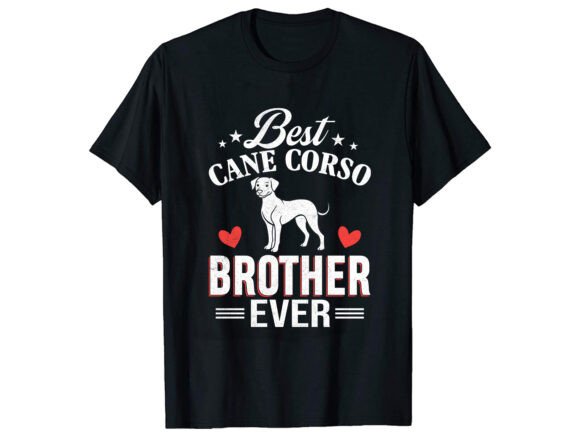
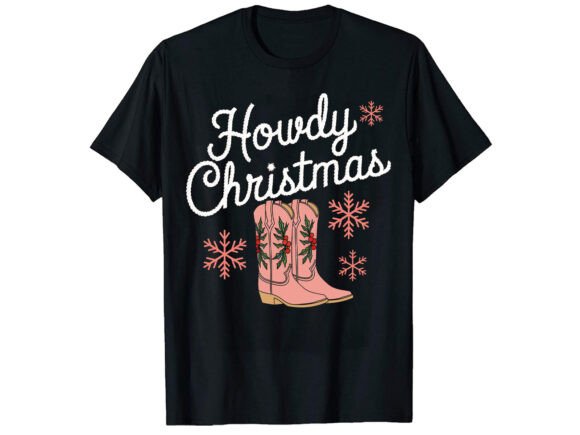
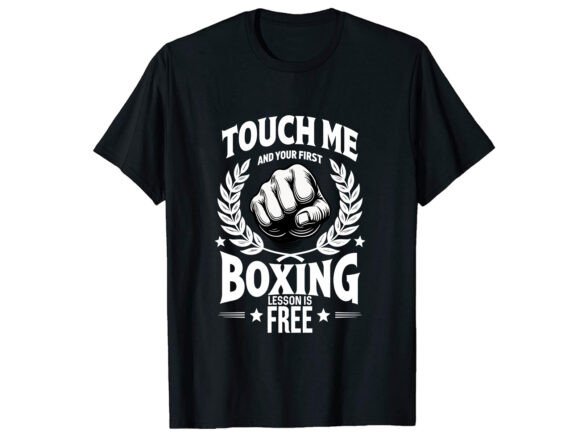
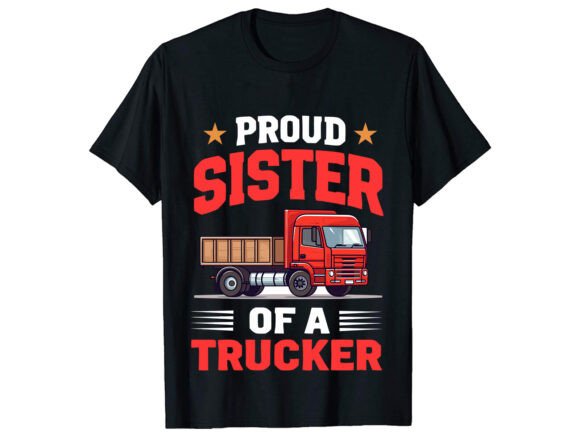
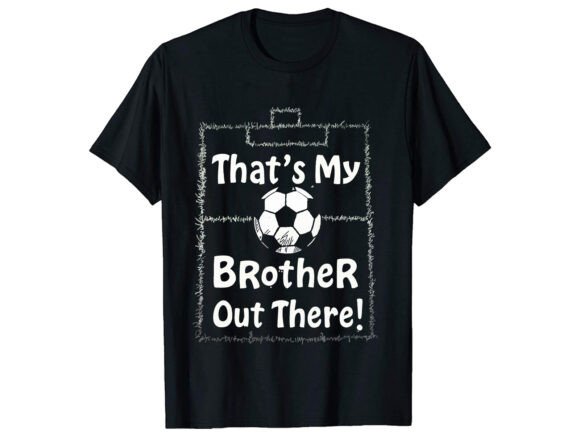
The Brother T-Shirt Design has a clean, modern aesthetic that immediately caught my eye. It’s not overly intricate, but it carries enough personality to stand out without overwhelming the fabric or garment. The layout is centered and balanced, which makes it easy to place on a variety of items. The theme feels approachable and versatile—perfect for casual wear, personalized gifts, or even branding purposes.
I found the level of detail to be just right for most embroidery applications. There are no tiny lettering elements that could become problematic when stitching, and the overall shape doesn’t have too many sharp corners or complex curves that might require extra attention during digitization. Its visual tone leans toward friendly and professional, making it ideal for both personal and small business embroidery projects.
Real-Life Use Scenarios
To test this design thoroughly, I applied it to a few common embroidery projects:
- Custom Sweatshirt: The design stitched cleanly onto a cotton-blend hoodie using standard thread colors. The placement was straightforward, and the result looked polished and cohesive with the rest of the hoodie’s features.
- Baby Item Embroidery: On a soft baby onesie, the design retained its clarity and charm. Since it wasn’t overly dense, there was minimal distortion, and the stitches lay flat, which is essential for delicate fabrics often used in children's clothing.
- Tote Bag Project: When transferred to a canvas tote bag, the embroidery file held up well. The contrast between the white background and the design was strong, making it visually appealing and perfect for a handmade product or Etsy listing.
- Cap or Hat Decoration: The circular nature of a cap made me think about how the design would adapt. While the central motif worked great, I noted that curved surfaces like these may need slight resizing or adjustment to maintain proportion and readability.
Across these scenarios, the design consistently delivered a professional finish. It felt like something you'd expect from a boutique line rather than a generic template. Whether I was considering it for a holiday gift, a wedding accessory, or a commercial embroidery project, Brother T-Shirt Design seemed like a solid choice.
When to Use Brother T-Shirt Design Carefully
While this design is adaptable, there are some situations where extra care is needed:
- Small Hoop Sizes: If you're planning to use it on a tiny hoop, such as for embroidered patches or mini accessories, you’ll want to scale it down carefully. The details remain clear at moderate reductions, but pushing past recommended limits can compromise stitch integrity.
- Textured or Stretchy Fabrics: On fabrics like denim or spandex blends, the stitch density might need tweaking to avoid puckering or skipping. Always check the design on a scrap of your intended fabric first.
- Dark Fabric Backgrounds: The default thread colors provided are bright and bold, which works well against light-colored garments. However, if you plan to stitch this onto dark fabric, consider switching to darker thread shades or using backstitching to ensure visibility.
- Products That Need Frequent Washing: Because of its medium stitch density, the design should hold up reasonably well to repeated laundering. Still, always recommend proper aftercare instructions to customers to preserve the quality over time.
Impact on Product Value and Customer Perception
One of the things I appreciate about Brother T-Shirt Design is how it elevates the perceived value of the finished product. It adds a touch of sophistication that’s subtle yet effective. For Etsy sellers or handmade shop owners, this kind of machine embroidery design can help build customer trust—it looks professional and thoughtfully crafted.
In terms of brand consistency, the design serves as a reliable asset. Its simple, clean structure allows it to blend seamlessly into a broader branding strategy. You can pair it with other graphics or logos without clashing, which is especially helpful when creating a series of products under one brand identity.
What I also noticed is how the design enhances buyer engagement. When previewed via a printable mockup, it drew attention naturally. Customers were able to visualize the design clearly, which is crucial for digital product previews and online listings. This kind of clarity helps increase sales by reducing uncertainty about how the final product will look.
Designer Notes and Best Practices
Before jumping into production or selling Brother T-Shirt Design as part of your craft business, here are a few practical tips based on my experience:
- Test on Scrap Fabric First: Especially if you're working with a new material or adjusting stitch settings. This helps prevent costly mistakes before mass-producing items.
- Check Thread Color Contrast: Make sure the thread colors pop against your chosen fabric. Sometimes, what looks good on screen doesn't translate perfectly in person.
- Review Stitch Density: Adjust the stitch count if necessary. Too loose and it won’t look crisp; too tight and it might cause tension issues.
- Confirm Hoop Size: Even though the original files are large (4500×5400 pixels), scaling them down requires knowing the appropriate hoop size to avoid distortion.
- Inspect Small Details: Though the design isn’t overly complex, double-check any outlines or decorative accents for potential gaps or inconsistencies.
- Use Proper Stabilizer: Depending on your fabric type, backing stabilizer can make a big difference in how the design lays and holds up after washing.
- Test in Black and White Mockups: This helps assess whether the design still has impact when viewed in grayscale—especially important for tonal prints or monochrome embroidery.
- Compare Light and Dark Backgrounds: See how the design interacts with different color schemes. This is key for digital product previews and printable mockups.
- Confirm Licensing Before Selling: If you plan to sell finished items or digital embroidery files, ensure the license allows commercial use. This is critical for Etsy sellers and small shop owners looking to protect themselves legally.
Where This Design Fits Best
Brother T-Shirt Design shines brightest on mid-sized to large embroidery projects. Here are some top recommendations for where it truly excels:
- Custom Apparel: T-shirts, hoodies, and sweatshirts are natural fits. The design maintains its shape and clarity even when scaled slightly.
- Embroidered Tote Bags: With its structured layout and balanced proportions, it becomes a standout feature on reusable bags or promotional giveaways.
- Nursery Decor and Baby Clothes: The gentle style and lack of aggressive stitch patterns make it safe and stylish for baby-related embroidery.
- Holiday and Wedding Gifts: From embroidered pillows to aprons, this design brings a warm, festive feel that aligns well with seasonal and event-based items.
- Commercial Embroidery Projects: As long as licensing is confirmed, this graphic is a valuable addition to any small business’s embroidery offerings. It can be used in boutiques, custom apparel shops, or even as part of a larger set of design assets.
A Balanced Approach to Embroidery File Use
It’s important to remember that while Brother T-Shirt Design offers excellent flexibility, it’s not a one-size-fits-all solution. Each application requires thoughtful consideration of the fabric, machine, and end-use. For instance, if you're thinking about using it for an embroidered patch, you’ll need to adjust the file to fit within a smaller area and possibly reduce stitch density to avoid bulkiness.
On the flip side, when used on larger items like banners or posters, the PNG print-ready format ensures high-resolution visuals that don’t lose quality. This dual functionality is a major plus for creative entrepreneurs who want to maximize their design investment across multiple platforms.
Final Thoughts for Crafters and Designers
After several real-life tests, I’d say Brother T-Shirt Design is a strong contender in the world of digital embroidery files. It brings a fresh, modern vibe to custom apparel and beyond, while staying grounded in usability. It doesn’t demand perfection from the user, but it rewards those who take the time to tailor it to their specific needs.
For hobbyists, this design is a confidence booster. It simplifies the process of creating a personalized gift or handmade item. For small shop owners and Etsy sellers, it’s a valuable tool that contributes to a professional appearance and consistent branding. And for seasoned embroidery designers, it’s a reliable base that can be modified, layered, or integrated into more complex projects.
If you’re considering adding this to your collection of T-Shirt Designs, take the time to understand its strengths and limitations. Evaluate it against your usual workflow and client preferences. When used correctly, Brother T-Shirt Design can become a go-to element in your repertoire, helping you deliver beautiful, recognizable handmade products with ease and efficiency.