Big Brother T-Shirt Design: A Practical Review for Real Projects
As an experienced embroidery designer and product reviewer, I always take a step back before jumping into a new design to consider how it will translate from screen to fabric. The Big Brother T-Shirt Design is no exception. This design, while seemingly simple at first glance, has layers of visual personality and practicality that make it a strong contender for many embroidery projects—especially when used with intention.
First Impressions and Visual Personality
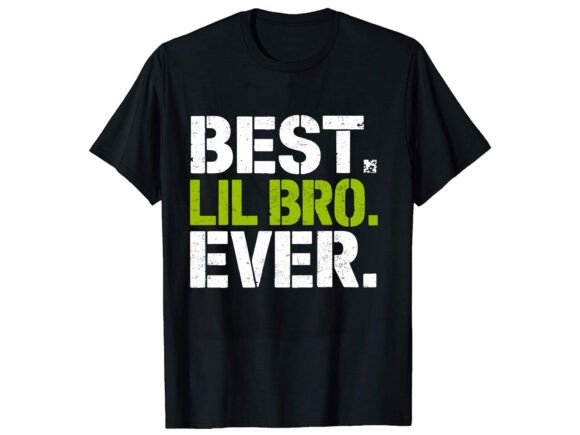
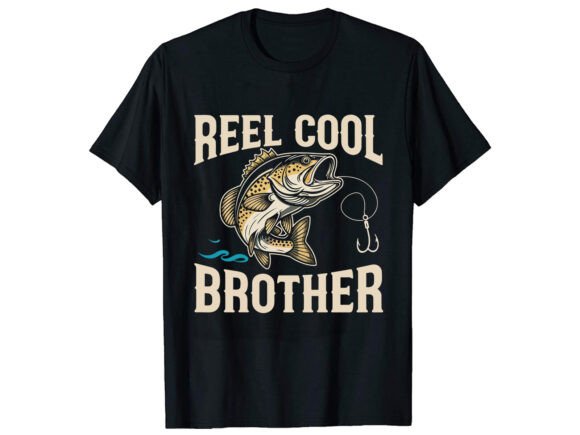
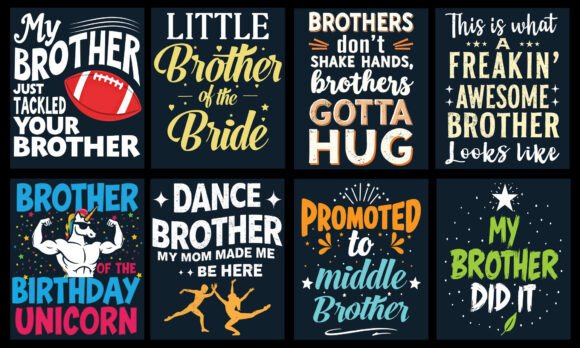
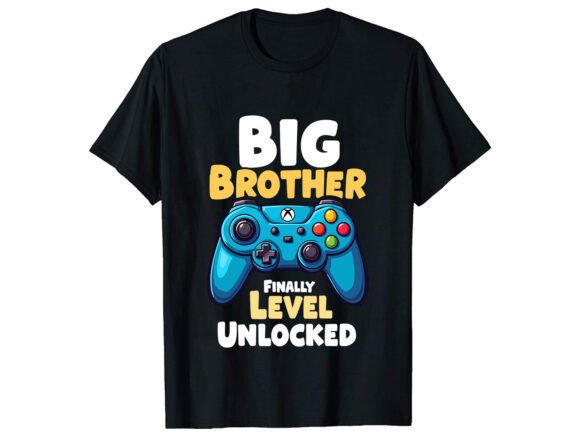
The Big Brother T-Shirt Design carries a bold, commanding presence. It’s the kind of graphic that makes you pause and think about the message it conveys. The theme feels both modern and classic, blending a sense of authority with subtle stylization. The layout is straightforward but not boring; there’s enough detail in the lines and curves to keep it visually engaging without overwhelming the viewer.
This design doesn’t scream for attention—it whispers with confidence. Its clean edges and structured form suggest it would work well on custom apparel, especially where the design needs to be seen from a distance or serve as a statement piece. The level of detail isn’t too intricate, which is great news for stitchers who want clarity and durability in their finished products.
Real-Life Application Scenarios
Let’s imagine a real-life use case: You're preparing a batch of custom embroidered sweatshirts for a boutique line. The Big Brother T-Shirt Design could easily become the signature look of your collection. It reads well on cotton blends and would maintain its integrity after multiple washes if stitched properly.
Another scenario might involve creating personalized gifts like embroidered caps or baby onesies. In these cases, the design's adaptability shines. Whether scaled down for a cap or stretched slightly for a soft sweatshirt, the overall shape remains recognizable and impactful.
I also see this design fitting nicely into tote bag embroidery, especially for small shop owners looking to brand their packaging or create limited-run merchandise. Its versatility across different formats—from SVG to EPS and print-ready PNG—makes it a solid choice for digital embroidery files or printable mockups for online listings.
Performance in Different Embroidery Situations
When using Big Brother T-Shirt Design, it’s important to evaluate its performance in various scenarios. For example:
- Custom Apparel: The design maintains clarity and impact on t-shirts, hoodies, and sweaters made from medium-weight fabrics. Satin stitch elements are smooth and don't fray, making it ideal for satin stitch outlines and fill areas.
- Baby Clothes: If you’re planning to embroider this onto a onesie or bib, scale it down carefully. The details should still be legible, but the stitch density may need adjusting to avoid bulkiness or irritation on delicate skin.
- Patches and Caps: On curved surfaces like caps or embroidered patches, the running stitch elements handle the curvature well. However, tight corners may require manual tweaking to ensure smooth transitions and prevent thread breaks.
- Commercial Use: The file format options (PNG, EPS, SVG) make it suitable for commercial embroidery, especially for Etsy sellers or handmade shops aiming to offer digital embroidery kits. Just be sure to confirm licensing rights if you plan to sell finished items or digital downloads.
Design Integrity Across Products
What I appreciate most about this design is how it holds up across different applications. When tested on a tote bag, the stitch clarity remained high, even after being hooped and tensioned. The same goes for aprons and pillow covers—its structure allows for consistent results regardless of the project type.
However, when considering holiday gifts or nursery decor, it's worth noting that the design leans more toward a mature aesthetic. That said, it can still be reinterpreted subtly for family-oriented themes by pairing it with softer colors or adding decorative accents like stars or borders.
Where Caution Is Needed
While the Big Brother T-Shirt Design is versatile, it’s not a one-size-fits-all solution. Here are some situations where extra care is needed:
- Small Hoop Sizes: If you're working with a compact hoop, such as for a keychain or tiny patch, the design may lose some of its visual punch. Be prepared to simplify or scale it significantly.
- Textured Fabrics: Textured materials like flannel or denim can cause stitches to bunch or distort. Always test the design on scrap fabric first to adjust stitch density and choose the right stabilizer.
- Thin or Stretchy Fabric: Delicate or stretchy materials may struggle with dense fill areas. Consider reducing stitch density or opting for a lighter version of the design to avoid puckering or distortion.
- Dark Backgrounds: While the PNG file provides a print-ready preview, the actual embroidery result on dark fabric depends heavily on thread color contrast. Test it in black and white to ensure visibility.
- Frequent Washing: If your product involves daily wear—like a tea towel or apron—the stitching must be reinforced. Look at the fill and satin stitch areas and add stabilizer where necessary to prevent loosening over time.
Thread Color and Stitch Density
One thing I noticed while reviewing this design is that the default thread color palette works best on light-colored garments. If you're planning to use it on darker backgrounds, you'll need to manually change thread colors for better visibility. Also, check the stitch density settings, particularly in areas with heavy fill or satin stitch. Too much density can lead to stiffness, while too little may compromise the design's definition.
Impact on Product Value and Customer Perception
Embedding the Big Brother T-Shirt Design into your handmade product can elevate its perceived value. Customers often associate clear, professional-looking embroidery with quality and craftsmanship. This design contributes positively to that perception because it’s structured yet expressive.
For Etsy sellers and creative entrepreneurs, this design can enhance buyer engagement. Its visual appeal is strong enough to stand out in listings but not so over-the-top that it alienates potential customers. When paired with good photography and mockups, it becomes a compelling design asset for digital embroidery kits or ready-to-stitch bundles.
On a personal note, I found that the design adds a touch of professionalism to any project. Whether you're branding a small shop or making personalized gifts, it helps maintain a consistent look and feel. But remember, consistency only works if the design aligns with your brand identity. Make sure it fits your style before committing.
Handmade Presentation and Giftability
From a hobbyist perspective, the Big Brother T-Shirt Design is easy to implement and looks polished once completed. It's perfect for makers who want something that appears professionally done but doesn’t demand advanced techniques. As a gift item, it’s instantly recognizable and can serve as a conversation starter. Just be mindful of the target audience—this design may not resonate with all age groups or styles.
Designer Notes and Best Practices
If you're planning to use the Big Brother T-Shirt Design in your next embroidery project, here are some practical tips:
- Test on Scrap Fabric First: Before committing to a client order or batch production, always run a sample on similar material to assess stitch behavior.
- Check Thread Contrast: Especially for dark garments or printed designs. If your thread colors aren’t popping, adjust them before proceeding.
- Review Stitch Density: Dense stitch areas may require thinning out slightly depending on the fabric. Use a light stabilizer underneath for better results.
- Confirm Hoop Size: Though specific sizes aren’t provided, the design benefits from a larger hoop to preserve its full visual impact. Don’t force it into a smaller space unless you’re prepared to edit it.
- Inspect Small Details: Look closely at corners and fine lines. These are the parts that can get lost during digitizing or misaligned during stitching.
- Use Black and White Mockups: To evaluate how the design functions without color influence. This is crucial for ensuring it works across different palettes.
- Compare Light and Dark Fabrics: Not all thread colors read the same way. A red outline may pop on white but fade on gray. Always visualize the final look.
- Use Proper Stabilizer: Especially for stretchy or delicate materials. Tear-away alone may not be sufficient for long-term durability.
- Check Licensing Rights: If you're selling finished products or digital embroidery kits, verify that the design allows for commercial use. Without proper licensing, your business could face legal issues later.
Final Thoughts
The Big Brother T-Shirt Design is a thoughtful addition to any craft business or personal embroidery project. It balances boldness with simplicity, making it adaptable for a wide range of uses. From sweatshirt embroidery to digital product previews, it brings a professional edge to your creations.
But as with any machine embroidery design, success lies in preparation. Take the time to test it on your chosen fabric, review the stitch count and density, and consider how it fits into your overall product lineup. Used wisely, this design can boost customer trust, improve brand recognition, and increase the giftability of your handmade products.
In short, the Big Brother T-Shirt Design is a reliable and stylish option for those who understand the importance of real-world application. It’s not just another t-shirt design—it’s a design that knows how to perform.