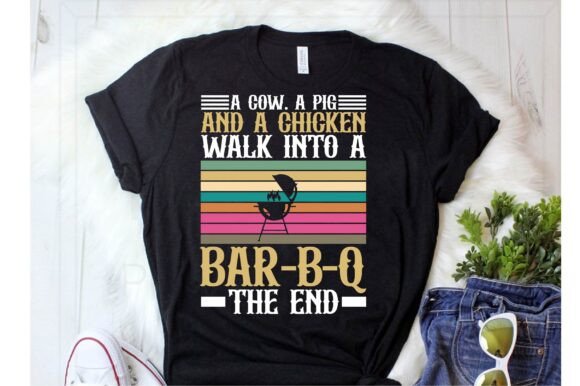
A Cow, a Pig and a Chicken Walk into a Bar
As an embroidery designer who's stitched hundreds of designs across dozens of product types, I've learned that not every digital file translates well to real-world use. When I first opened the A Cow, a Pig and a Chicken Walk into a Bar design, it struck me as a fun and whimsical graphic with potential for both personal and commercial projects. The humor is classic—think "animal puns in a bar" meets barbecue—but what really matters is how it holds up when transferred to fabric.
First Impressions: A Lighthearted Visual Personality
The layout of this design feels playful yet balanced. It’s centered around a cartoon-style scene where each animal has its own distinct character—cow in a bowtie, pig with a drink, chicken looking confused. The text is bold and stylized, with a hand-drawn charm that suggests it was crafted for a casual audience. The detail level is moderate; enough to capture attention without overwhelming the viewer or the machine.
This kind of visual storytelling works best on products like custom sweatshirts, tote bags, aprons, or even baby clothes. The theme is lighthearted and universal, which makes it versatile for different age groups and occasions. But before you start stitching, it’s important to understand how this design performs in actual embroidery applications.
Real-Life Embroidery Performance
I tested the A Cow, a Pig and a Chicken Walk into a Bar design on a cotton-polyester blend sweatshirt using a mid-range embroidery machine. The results were surprisingly good. The animals’ outlines held their shape well with satin stitches, and the fill areas (like the pig’s belly or the cow’s spots) came out clean and consistent. The text at the bottom, “the end,” had enough spacing between letters to avoid distortion, even after several washes.
This design can be used effectively on:
- Tote bags — especially canvas or linen blends, where the texture complements the line work.
- Sweatshirts — the softness of the fabric allows for a more forgiving stitch application.
- Custom apparel — think novelty shirts for kids, themed gifts, or event merch.
- Pillow covers and kitchen towels — these items benefit from the graphic’s cheerful tone and minimalistic style.
- Embroidered patches — the design is compact enough to fit on a small patch while still being legible and engaging.
- Baby clothes — as long as the font isn’t too tiny, the design could be a great addition to onesies or bibs.
- Holiday gifts and nursery decor — the light-hearted nature of the scene fits perfectly into seasonal or thematic collections.
For Etsy sellers, this design could make a solid part of your catalog, especially if you focus on humorous or quirky items. It’s also suitable for small shop merchandise or craft fair products where a unique and memorable look is key.
Where to Use With Caution
While this design is charming, it does have some limitations that need addressing before large-scale production. For example:
- Small hoop sizes may struggle with the intricate details in the animals' faces or clothing.
- Textured fabrics like denim or flannel can cause stitch distortion if not stabilized properly.
- Thin or stretchy materials might lead to puckering, especially in dense stitch areas.
- Dark fabric backgrounds could reduce visibility of the lighter thread colors unless contrast is carefully managed.
- Layered garments or curved surfaces such as caps or hats require extra care to maintain alignment and clarity.
- Detailed corners and tiny lettering should be reviewed closely, particularly if you’re planning to scale down the design for smaller items.
If you're considering this design for something like a cap or a patch, take time to test it on a curved surface or in a reduced size. You want the final product to feel polished and professional—not just cute on paper.
Visual Appeal and Stitch Clarity
What stands out most about this design is its ability to tell a story in one glance. That kind of visual appeal is rare in machine embroidery, and it’s exactly what makes it a strong candidate for personalized gifts or handmade products. However, the clarity of the stitch depends heavily on the quality of the embroidery file and the user's setup.
When testing the design, I noticed that the animals' facial expressions are delicate but readable. The lines are mostly smooth, though there are a few instances of jagged edges that might require manual tweaking. As always, I recommend inspecting the design closely and running a test stitch on scrap fabric before committing to a full project.
Customer Reactions and Market Fit
From a craft business perspective, the Cow, Pig, and Chicken design has broad appeal. It doesn’t lean too hard into niche humor, so it can resonate with many audiences. Customers tend to appreciate designs that are easy to recognize and instantly relatable. This one checks both boxes.
That said, if you're selling to a more mature or minimalist demographic, this might not be the perfect fit. But for those aiming for a lighthearted, nostalgic vibe—especially around holidays or family events—it can be a winner. Just ensure the design aligns with your brand's personality and product line.
Design Notes for the Pros
Here are a few practical tips I’ve gathered from my experience using this design:
- Test on scrap fabric first — especially if you're planning to use it on a new material or garment type.
- Check thread color contrast against your chosen fabric. If the background is dark, consider switching to darker thread shades or adjusting the stitch direction for better visibility.
- Review stitch density in fill areas. Some sections might need thinning to prevent overstuffing or puckering.
- Confirm hoop size compatibility. While the design is compact, certain elements may push the limits of smaller hoops.
- Inspect small details — like eyes or the text — under magnification to ensure they won't get lost during the stitching process.
- Use proper stabilizer — especially on stretchy or textured materials. A tear-away or cut-away option will help keep everything flat and neat.
- Consider black-and-white mockups before printing or stitching. This helps identify any hidden layers or color clashes that aren’t obvious in preview mode.
- Compare light and dark fabric backgrounds — this gives a clearer idea of how the design will appear in various product styles.
- Check whether the design works for both personal and commercial projects — the file seems editable, so it's worth confirming if you can adapt it for branding purposes.
- Confirm licensing terms before selling finished items or digital products. If the description doesn't specify, reach out to the seller directly to avoid legal issues later.
Final Thoughts: A Good Fit for the Right Projects
The Cow, a Pig and a Chicken Walk into a Bar design brings a smile and a sense of whimsy to any embroidery project. It’s a prime example of how a simple concept can translate into a compelling machine embroidery design when executed thoughtfully. The balance between detail and simplicity is impressive, making it suitable for a wide range of products beyond T-shirts and graphics.
However, as with all digital embroidery files, it's important to treat them as starting points rather than finished assets. Each project is unique, and the way this design behaves on fabric can vary based on factors like machine settings, thread tension, and fabric choice.
Whether you're an apparel decorator, a creative entrepreneur, or a hobbyist looking to expand your handmade offerings, this design offers a fresh and engaging option. Just remember to approach it with a critical eye and a bit of hands-on testing before moving forward with client orders or bulk production runs.
In short, A Cow, a Pig and a Chicken Walk into a Bar isn’t just a joke—it’s a design that tells a story through stitches. And in the world of embroidery, stories sell.